Why Grip Size Affects Line Control More Than Beginners Realize
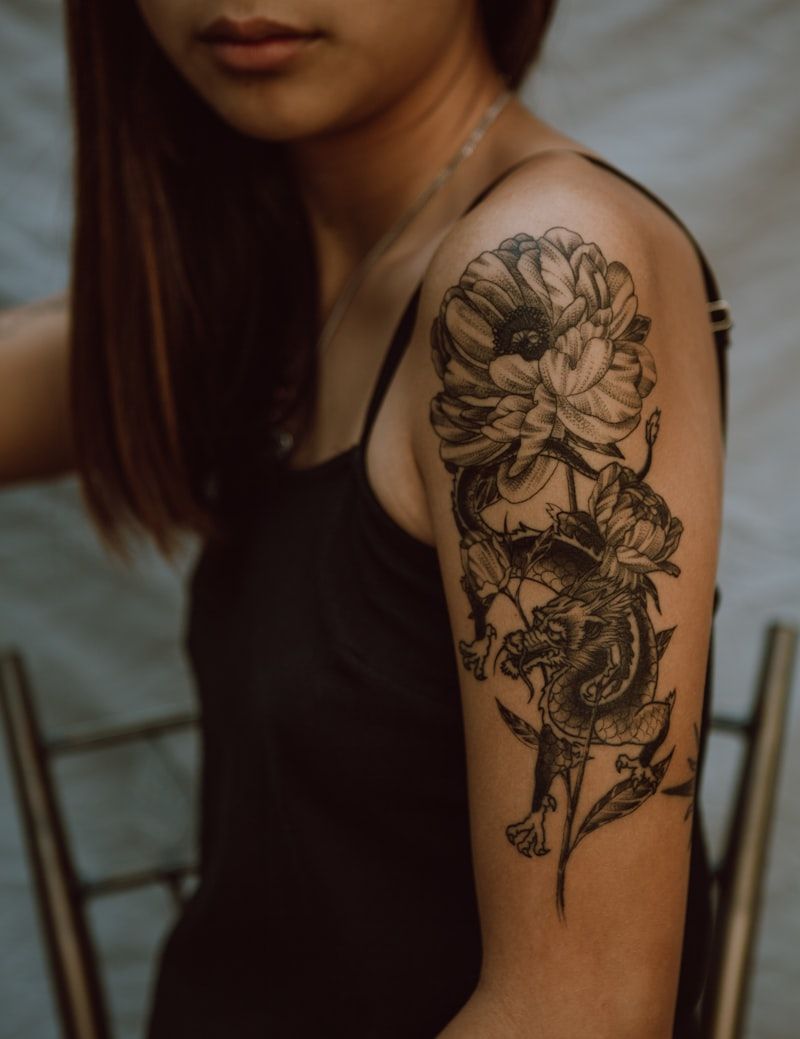
The Part of the Setup Everyone Skips Ask a new student what they researched before their first machine purchase and you will hear about voltage, stroke length, coil versus rotary, and needle groupings. Almost nobody mentions grip diameter. That is a mistake, because the grip is the only part of the machine your hand actually touches for eight hours a day. Everything downstream of a shaky line — wavering saturation, uneven shading, hand cramps by hour three — traces back to how well the grip matches the artist holding it.
The Mechanics of Grip and Hand Fatigue A grip that is too narrow forces the fingers to clamp harder to maintain control, which recruits small muscles in the hand that fatigue quickly. A grip that is too wide does the opposite: it feels stable at first but reduces the fine motor feedback your fingertips need to sense needle depth. Both extremes push artists toward compensating with wrist movement instead of controlled finger movement, and wrist-driven linework is almost always shakier than finger-driven linework.
The practical effect shows up in session length. Students using a poorly matched grip often report their hand "giving out" well before the piece is finished, not because the muscles are weak, but because they are working against the tool rather than with it.
Why Diameter Changes Everything About Control Most grips fall somewhere between roughly 25mm and 38mm in diameter, with padded or contoured variations layered on top. The difference of even a few millimeters changes the pivot point of the hand.
- Thinner grips (25-28mm) suit artists with smaller hands and favor a pen-like hold, which many find better for fine detail and thin lines.
- Mid-range grips (30-32mm) are the most common starting point in training environments because they accommodate a wider range of hand sizes and holding styles.
- Thicker grips (34mm+) distribute pressure across more of the palm and can reduce fatigue during long shading or blackwork sessions, though they cost some precision on fine linework.
None of these are objectively "better." They are trade-offs, and the correct choice depends on hand size, the style being practiced, and how the artist naturally holds a pen.
Matching Grip Size to Hand Size and Technique A simple way to think about it: hold a normal writing pen the way you naturally would, and notice where your fingers land relative to the tip. Artists who hold close to the tip with a tight pinch generally do better with narrower grips. Artists who hold further back with a looser, more relaxed hand often prefer more diameter because it fills the palm and reduces the need to squeeze.
Students in a training setting should be encouraged to physically test more than one grip size before assuming their first purchase is their permanent choice. Hand fatigue does not always show up in the first ten minutes — it shows up an hour in, which is exactly when line quality starts to slip on a real session.
Common Mistakes New Artists Make With Grip Selection 1. **Buying based on what looks professional** rather than what fits the hand holding it. 2. **Copying a mentor's setup exactly**, even when hand size and holding style are completely different. 3. **Ignoring disposable grip covers**, which add a thin layer of diameter and texture that can meaningfully change feel. 4. **Never revisiting the choice** after gaining experience, even as technique and comfort preferences evolve. 5. **Assuming grip and machine are inseparable**, when in fact many systems allow the grip to be swapped independently of the motor housing.
Building the Habit of Testing Before Committing The most useful habit a beginner can build is treating grip selection as an ongoing experiment rather than a one-time decision. Practice on synthetic skin with two or three different diameters across multiple sessions, paying attention not to the first few lines but to how the hand feels after twenty or thirty minutes of continuous work. Fatigue, not first impressions, is the real test.
In a training environment where repetition is the whole point, small ergonomic mismatches compound quickly. A grip that feels "fine" for a five-minute demonstration can become the reason a student's lines drift after an hour of guided practice. Treating grip size as a serious variable — not an afterthought — is one of the simplest ways to shorten the learning curve for consistent line control.