What to Expect During a Sak Yant Blessing Ceremony
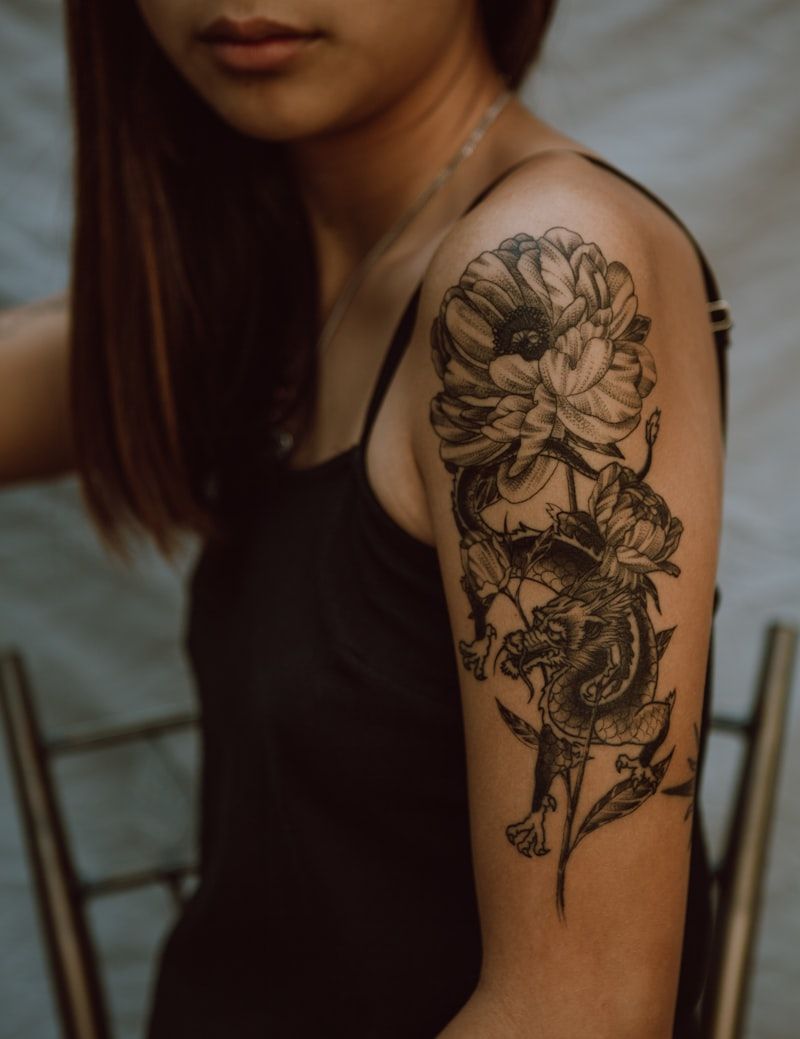
The Ceremony Behind the Tattoo For those new to Sak Yant, it can come as a surprise that the tattooing itself is often considered only half of the process. Many practitioners hold that a yantra is not fully "activated" until it has passed through some form of blessing, whether a brief ritual performed immediately after tattooing or a larger communal ceremony held periodically at a temple. Knowing roughly what to expect can help visitors approach the experience with appropriate respect and calm.
Before the Ceremony Begins Preparation matters in Sak Yant practice, and an Ajarn or temple may set expectations in advance. Common elements include:
- Offerings. Recipients are often asked to bring simple items such as flowers, incense, candles, or a small monetary offering, presented as a gesture of respect toward the teacher and the tradition rather than payment for the tattoo itself.
- Modest dress. Loose, respectful clothing is generally expected, particularly at temple settings, with the tattoo site left accessible.
- A calm state of mind. Some Ajarns encourage recipients to arrive without anger, intoxication, or excessive stress, on the understanding that the ceremony is a serious spiritual undertaking rather than a casual event.
During the Ritual Itself While specifics vary between individual Ajarns and regions, a typical blessing sequence tends to include several recognizable elements:
- Chanting. The Ajarn recites prayers or invocations, often in Pali or a Khmer-influenced liturgical language, connected to the specific yantra being blessed.
- Physical contact or gesture. This may include the Ajarn placing a hand on the recipient's head or the tattooed area, or performing a symbolic tap or touch to signal the transfer of blessing.
- The blow, or pooeng. A distinctive and widely recognized element of Sak Yant ceremonies is a sharp exhale or blow directed at the tattoo, believed to instill or seal its power.
- Group participation. At larger ceremonies, particularly annual wai khru events at certain temples, many recipients may be blessed together, sometimes accompanied by dramatic communal energy as devotees express deep devotion.
These group ceremonies, in particular, can be intense to witness, with participants sometimes entering visibly emotional or trance-like states. Visitors attending as observers, rather than recipients, should treat this atmosphere with quiet respect rather than as a spectacle.
After the Blessing Once the ceremony concludes, recipients are typically given some guidance about how to carry the tattoo forward. This commonly includes:
- Precepts to observe, such as avoiding dishonesty, disrespect toward elders or teachers, or harm toward others, since the tattoo's protective power is often understood to depend partly on the wearer's ongoing conduct.
- Practical aftercare instructions, covering cleaning and healing of the tattoo itself, separate from its spiritual dimension.
- An invitation to return, since some practitioners welcome recipients back for periodic re-blessing, particularly around significant life events.
Approaching the Ceremony With the Right Mindset For a visitor unfamiliar with Thai Buddhist and animist ritual, a Sak Yant blessing ceremony can feel unlike anything encountered elsewhere: part religious rite, part communal gathering, part deeply personal moment. The most important thing to bring is genuine openness rather than a checklist mentality. Rushing through the ritual, treating it as a photo opportunity, or requesting shortcuts tends to be received poorly by practitioners who take the ceremony seriously.
Ultimately, the blessing ceremony is where Sak Yant's spiritual and communal dimensions become most visible. The chanting, the offerings, and the shared atmosphere of devotion are what transform a tattoo from a permanent image into, in the eyes of the tradition, a living source of protection and guidance. Approaching it with patience and humility is the surest way to receive it as intended.
Individual ceremonies versus large temple events. It is worth distinguishing between two common contexts in which blessings take place, since the experience can differ considerably. A private or small-group blessing is typically performed immediately after tattooing in a studio or a teacher's home, involving a shorter, more intimate ritual focused on the individual recipient. A large annual temple ceremony, by contrast, draws dozens or even hundreds of devotees for a shared wai khru event, often including people who received their tattoos long before and are returning for renewal rather than a new tattoo. Both settings are considered legitimate, and neither is inherently more powerful than the other; the choice often comes down to practicality and the specific relationship a recipient has with their Ajarn, since some practitioners prefer to complete the full process, tattoo and blessing together, in a single sitting, while others treat the two as connected but separately scheduled events.
Visitors who witness a large temple ceremony for the first time, particularly one involving many participants at once, are sometimes unprepared for its intensity. It is not uncommon to see strong emotional reactions among devotees, and this should not be mistaken for theater or performance. For many participants, these ceremonies represent a genuine and deeply felt renewal of their spiritual protection, and treating the moment with quiet observation rather than curiosity alone goes a long way toward showing appropriate respect.