The Tiger and Other Animal Yantras Explained
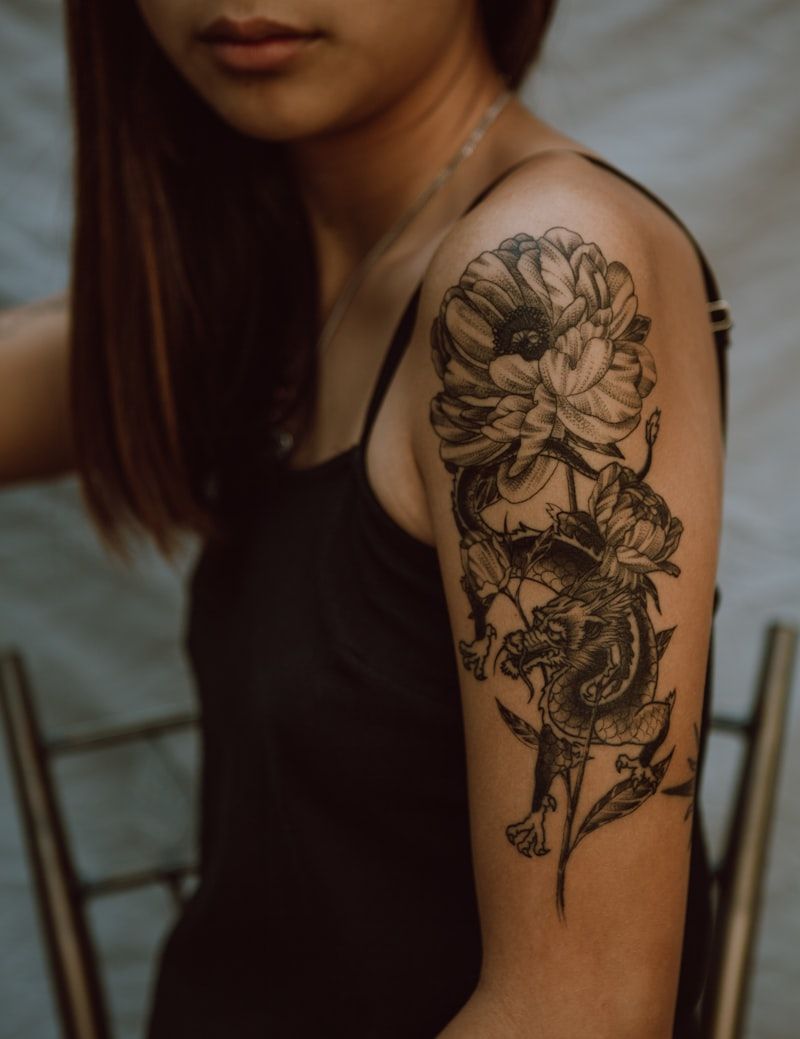
Among the many symbols woven into Sak Yant designs, animals occupy a special place. Long before Buddhist script and geometric yantra patterns were layered on top, animal imagery already carried deep meaning across Southeast Asian folk belief, standing in for particular virtues, strengths, or protective qualities. When these figures were absorbed into the tattooing tradition, they brought that symbolism with them, giving each animal-based design a recognizable personality of its own.
Why Animals Anchor So Many Yantra Designs
Animal designs work well within Sak Yant because they translate abstract qualities into something immediately understandable. Courage, ferocity, loyalty, cunning, and strength are difficult to represent through script alone, but a tiger, a monkey, or a snake carries those associations instantly, across cultures and generations. Combining an animal figure with Khom script and Buddhist chant creates a design that operates on two levels at once: the visual, instantly recognizable symbol, and the encoded sacred text that gives it spiritual weight.
This is part of why animal yantras remain some of the most requested designs, both among Thai recipients and international visitors. They are visually striking, but they are also, within the tradition, understood as functional — chosen for the specific quality the recipient hopes to draw upon.
Suea Yant: The Tiger
The tiger, or suea, is among the most iconic animal designs in the entire Sak Yant repertoire. Historically tied to courage, authority, and raw physical power, the tiger yantra has long been associated with protection in dangerous or confrontational situations. It draws on the tiger's standing across Southeast Asian folklore generally as a dominant, feared, and respected creature, whose presence alone was thought to command deference.
Recipients often seek the tiger design for a sense of personal strength and fearlessness, or for protection from those who might wish them harm. Because of the intensity associated with this quality, some practitioners are thoughtful about who they offer it to, consistent with the broader tradition of matching potent designs to a recipient's temperament and circumstances rather than handing them out indiscriminately.
Hanuman and the Power of the Monkey Warrior
Hanuman, the monkey warrior figure familiar from the Ramayana and its Thai retelling, the Ramakien, is another widely recognized figure in Sak Yant. Within these epics, Hanuman is celebrated for loyalty, cleverness, resilience, and near-boundless energy in service of a righteous cause. Tattoos featuring Hanuman draw on this reputation, often sought by recipients hoping for perseverance, protection during difficult undertakings, or the kind of resourceful courage the character embodies in the traditional stories.
Because Hanuman occupies such a prominent place in regional literature and religious storytelling, designs featuring him often carry a slightly different flavor than purely animal-based yantras — part warrior, part trickster, part devoted servant — reflecting the layered character from which the design draws its meaning.
Other Recurring Animal Figures
Beyond the tiger and Hanuman, several other creatures appear regularly across Sak Yant traditions. Snake and naga imagery, drawing on the serpent deity common throughout Southeast Asian mythology, is often associated with protection, transformation, and connection to water in regional cosmology. Elephant designs reference the animal's long-standing status in Thai culture as a symbol of strength, wisdom, and stability, historically tied to royal and religious significance. Various birds also appear in certain lineages, sometimes tied to swiftness, freedom, or messages between the earthly and spiritual realms.
Each lineage and each master may emphasize different animals, and interpretations can vary meaningfully between regions and teaching traditions. A design's meaning is rarely fixed by a single universal rulebook; it develops through the specific lineage a practitioner was trained in and the chants that accompany it.
Reading an Animal Yantra Respectfully
For anyone drawn to an animal-based design, the most respectful approach is to ask the practitioner directly what the specific image is believed to offer, rather than relying on assumptions formed from general familiarity with the animal. A tiger design from one master's lineage may carry slightly different emphasis or accompanying chant than a superficially similar tiger design from another. What stays consistent is the underlying principle: the animal is never purely decorative. It is chosen to reflect, protect, or cultivate something specific in the life of the person who carries it, and understanding that is part of engaging with the design honestly.