← Back to Articles
Career Advice

Do You Need a Tattoo License to Work in Thailand? Legal Guide

Published: 2026-05-18By: Niran SethiReading Time: 5 min read
Looking to work as a tattoo artist or open a shop in Thailand? Here is the legal breakdown on licensing, health inspections, and work permits.

Opening a tattoo shop in Thailand or working as a professional tattoo artist involves navigating local regulations. The Thai Ministry of Public Health has strict standards regarding hygiene and sanitation, and enforcement has increased in recent years. Here is the legal checklist for tattoo operations.

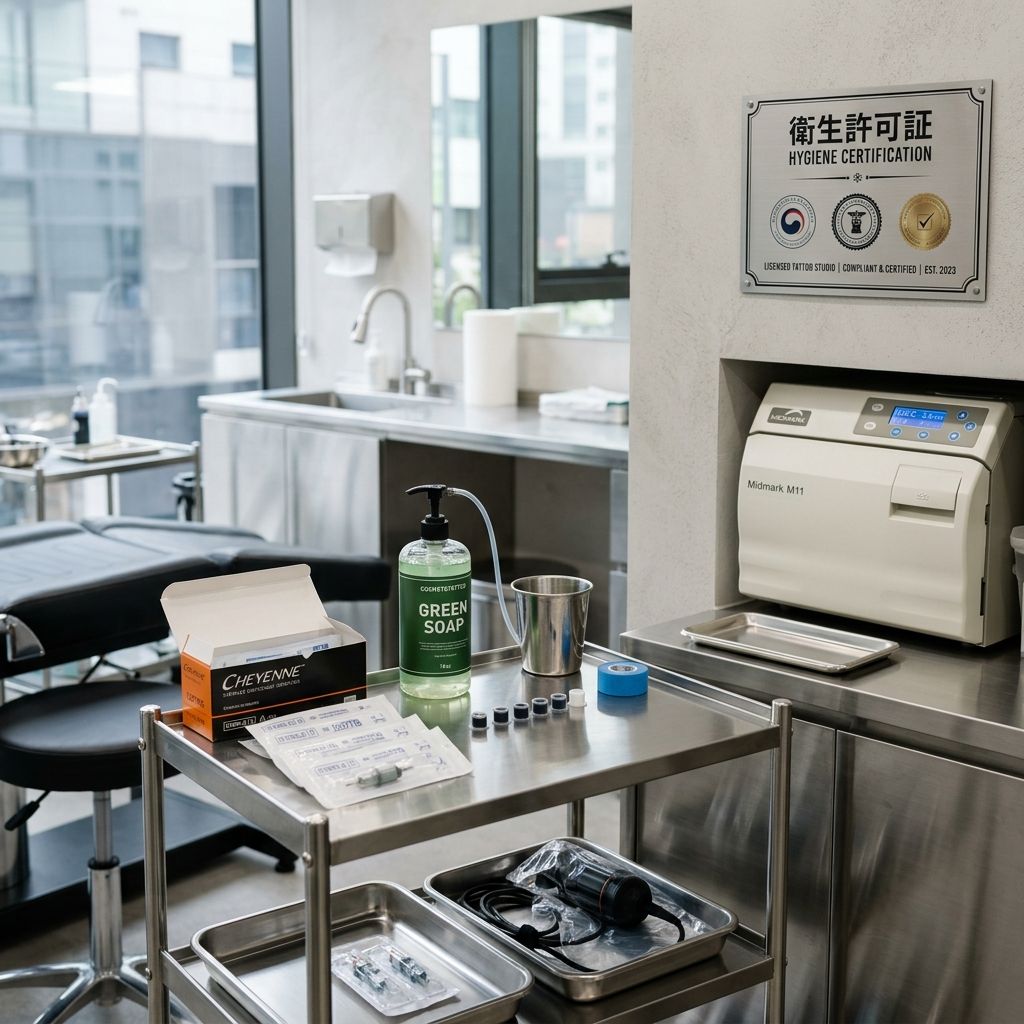
1. Studio Business License To run a tattoo studio, you must obtain a license from the local municipality or district office (*Khet*). The studio must undergo a sanitary inspection. Key requirements include: - Separate sterilization and waste disposal areas. - Autoclave logs (if non-disposable items are used). - Safe disposal of biomedical waste (needles must be sent to an approved incinerator). - Clean, non-porous walls and flooring that can be fully disinfected.

2. Can Foreigners Work as Tattoo Artists in Thailand? Yes, but it is challenging. Under Thai labor law, 'tattoo artist' is not strictly prohibited for foreigners, but you must have a valid **Work Permit** and a business visa (Non-B Visa). - Typically, you need to set up a Thai Co., Ltd. company. - The company must have a registered capital of 2 million THB per foreign work permit. - You must employ four Thai citizens for every one foreign employee. Many international artists choose to work as guest artists in licensed Thai-owned studios, which handle the temporary permitting and taxes.

3. Ministry of Public Health Certifications Most top tattoo schools offer courses certified by or aligned with the Ministry of Public Health guidelines. Getting certified shows clients and inspectors that your practice complies with local health codes, which is crucial for building trust.

🛡️ Sanitary Inspection Audit Checklist

Isolation of Stations: Complete barriers separating workspace from reception lounges.
Sharp Incineration Logs: Biomedical contract demonstrating safe needle incineration.
Surface wraps: Non-porous floor tiles and medical grade plastic wrapping for dynamic tables.
Autoclave validation: Sterility indicators and chemical validation if using non-disposables.