Separating Tourist Souvenirs From Authentic Sacred Practice
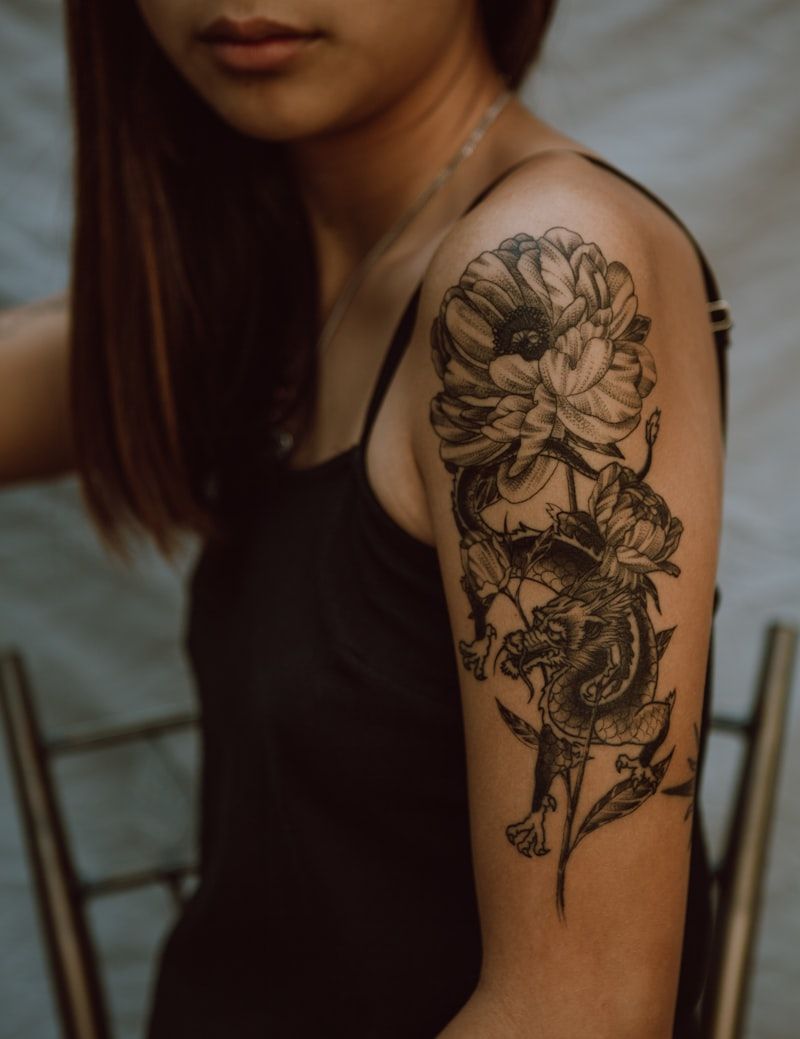
Thailand's tourist districts are full of tattoo studios advertising "Sak Yant" designs, often displayed alongside tribal patterns, script tattoos, and other flash-sheet options. Many of these studios are skilled at what they do and produce attractive, well-executed tattoos. Very few of them are actually offering Sak Yant in the traditional sense, and the gap between the two is worth understanding clearly before booking anything.
Two Very Different Experiences Wearing the Same Name
The core issue is that "Sak Yant" has become a marketable term applied to two genuinely different products. One is a decorative tattoo, applied with a modern electric machine, using yantra-inspired imagery purely as a visual style, with no ceremony, chanting, lineage, or spiritual framework attached. The other is the traditional practice: hand-tapped using a bamboo or metal rod, performed by a practitioner trained under a recognized teacher, incorporating ritual elements such as a wai khru offering of respect, mantra chanting during the tattooing itself, and often an expectation that the recipient observe certain precepts afterward.
Both can result in a visually similar design on the skin. Only one of them is Sak Yant as the tradition itself defines it. A visitor is entitled to choose either experience, but conflating the two, or assuming a machine-made design carries the same spiritual weight as a traditionally administered one, misunderstands what the practice actually is.
What Machine-Made Yantra Tattoos Are Missing
The differences go well beyond tool choice. A machine-applied design skips the ritual framework entirely: no acknowledgment of a teaching lineage, no chanting to activate the design's believed protective qualities, and typically no discussion of precepts or expectations for the recipient afterward. It is, functionally, decorative art borrowing sacred imagery, not unlike using religious iconography from any tradition purely for its visual appeal.
This does not make machine-made yantra tattoos disrespectful by default — plenty of studios are upfront that they are offering a design inspired by the tradition rather than the tradition itself. The concern arises when studios blur this line deliberately, implying spiritual authenticity or lineage that does not exist, in order to charge a premium or appeal to visitors seeking a genuine cultural experience.
Signs of an Authentic Session
Several practical signs distinguish an authentic Sak Yant session from a purely decorative one. The tattooing method itself is the clearest: authentic practice uses the hand-tapped rod technique, not an electric machine, and the process is noticeably slower and quieter as a result. A genuine practitioner will typically be able to speak clearly about who they trained under and how long their apprenticeship lasted. Ritual elements — a small offering, a moment of respect toward a teacher or spiritual figure, chanting during the tattooing — are usually present in some form, even if abbreviated for a walk-in visitor.
Recipients should also expect some conversation about the meaning of the design being chosen, rather than simply being handed a printed sheet of options to point at. A practitioner working within the tradition generally wants the recipient to understand, at least in general terms, what they are receiving and why it suits them.
Why the Distinction Matters Beyond Aesthetics
For visitors interested purely in an attractive tattoo with Thai-inspired imagery, a machine-made version from a reputable studio is a perfectly legitimate choice, and there is nothing wrong with being upfront about wanting that rather than the full traditional experience. Problems arise mainly from misrepresentation — when a purely decorative service is marketed as spiritually authentic, or when tourists leave believing they have participated in a sacred ritual that, in practice, never happened.
This matters to the broader health of the tradition as well. Every misrepresented "Sak Yant" sold as a tourist souvenir dilutes public understanding of what the practice actually involves, making it harder for visitors to recognize and support the practitioners genuinely carrying the tradition forward through years of apprenticeship and lineage.
Making an Informed Choice
The most useful step any visitor can take is simply asking direct questions before committing: is this hand-tapped or machine-applied, is there a ceremonial component, and who trained the practitioner. Honest answers, whichever direction they point, allow a visitor to make a choice that matches what they are actually looking for, rather than assuming a shopfront sign guarantees a connection to the sacred tradition it references.