Sak Yant for Foreigners: What You Should Know First
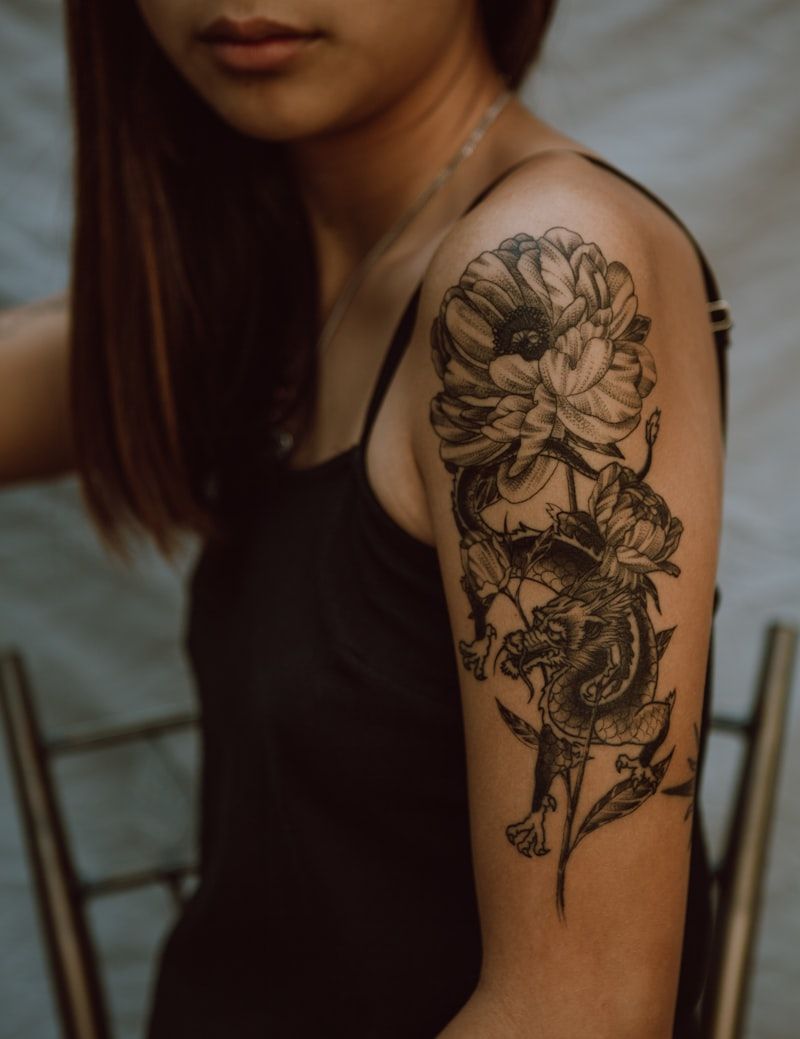
For a visitor to Thailand, a Sak Yant tattoo can look like an easy way to bring home a striking, meaningful design and a good story. For the practitioners who carry the tradition forward, it represents something considerably deeper — a spiritual practice wrapped in centuries of Buddhist and animist belief. Neither view is wrong, but foreigners considering the experience will get far more out of it, and cause far less friction, by understanding the practice on its own terms before booking a session.
More Than a Souvenir
It helps to start by recognizing what Sak Yant is not. It is not simply a design style, comparable to choosing a tribal pattern or a script tattoo from a flash sheet. Each yantra is understood within the tradition to carry active spiritual meaning, tied to specific chants, protective qualities, and obligations for the wearer. Treating the experience purely as an aesthetic purchase — picking a design because it looks striking, with no interest in what it represents — is one of the more common sources of friction between visitors and practitioners, and it is worth setting that framing aside before you begin.
This does not mean foreigners are unwelcome. Many respected masters happily tattoo visitors from outside Thailand and take real pride in sharing the tradition internationally. What matters is the attitude brought to the encounter.
Choosing a Practitioner Thoughtfully
Not everyone offering "Sak Yant" tattoos in tourist areas is operating within the actual tradition. Some studios use modern tattoo machines and apply yantra-style imagery purely as a design choice, with no ceremony, chanting, or connection to a teaching lineage. This can still result in an attractive tattoo, but it is a different thing entirely from an authentic sak yant session, and visitors should decide knowingly which experience they actually want.
Those seeking the traditional experience should look for practitioners trained under a recognized ajarn, using the hand-tapped bamboo or metal rod method, incorporating chanting and ritual, and following modern hygiene practices such as single-use needles. Word of mouth, respectful inquiry, and a willingness to ask direct questions about training and lineage are more reliable guides than simply choosing the most conveniently located shop.
Understanding the Ceremony and the Precepts
A traditional session typically begins with a small ritual of respect, often called a wai khru, acknowledging the teacher and the spiritual lineage behind the practice. Offerings such as flowers or incense may be part of this. During the tattooing itself, the practitioner often chants Buddhist or Khmer-derived mantras, believed to activate the protective power of the design as it is inscribed.
Recipients are typically asked, implicitly or explicitly, to observe certain precepts afterward — honesty, respect toward parents and elders, and avoidance of serious wrongdoing are common threads across lineages, though specifics vary. Foreigners should treat this seriously rather than as a quaint formality. Declining to follow through on this commitment is generally viewed, within the tradition, as undermining the very point of receiving the tattoo.
Placement, Design, and Cultural Sensitivity
Certain customs around placement and design deserve attention. Many practitioners avoid placing sacred script below the waist out of respect for the elevated symbolic status the head and upper body hold in Thai and Buddhist culture, and some designs are traditionally considered more appropriate for one gender or role than another. A respectful visitor lets the practitioner guide these decisions rather than insisting on a specific placement found online, and accepts that a master may decline a particular request they consider inappropriate.
It is also worth remembering that many Thais regard these tattoos as genuinely sacred rather than decorative. Casual or dismissive comments about the designs, or treating the tattoo as a joke afterward, can understandably cause offense.
Going In With the Right Mindset
The foreigners who tend to have the most rewarding experience with Sak Yant are the ones who arrive curious rather than transactional — willing to ask questions, listen to what a design means, accept guidance on placement, and treat the ritual portion of the session with genuine attention rather than impatience. Photographs and souvenirs are a natural part of any memorable travel experience, but they should follow from genuine engagement with the tradition, not replace it.
Approached this way, a Sak Yant tattoo can be one of the more meaningful cultural experiences available to a visitor in Thailand — not because of how the design looks, but because of what receiving it, properly, actually involves.