Neo-Traditional Style: A Beginner's Training Roadmap
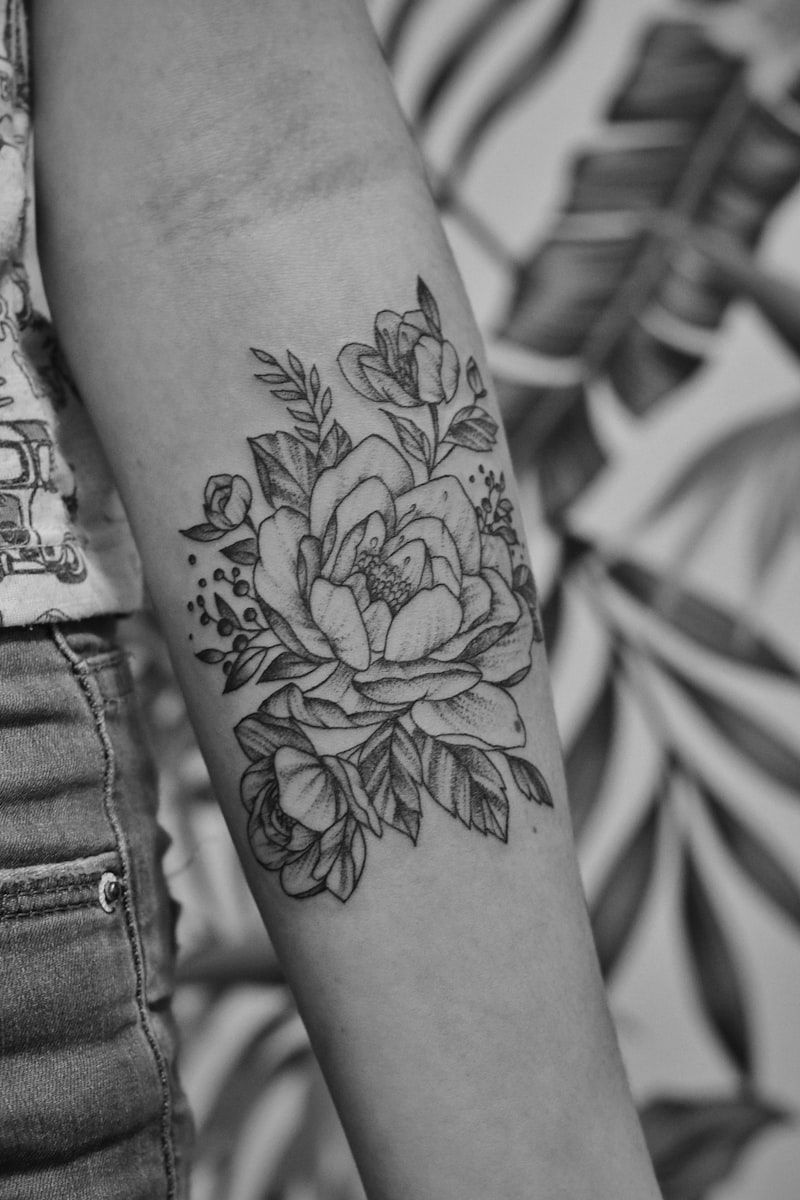
Neo-traditional tattooing looks approachable to beginners because the reference images are so appealing — rich color, dynamic composition, decorative flourishes. That appeal is deceptive. Underneath the ornamentation, neo-traditional work demands some of the strictest structural discipline in tattooing, and students who skip the fundamentals in favor of chasing the "pretty" surface details tend to plateau fast.
Start With Bold, Not With Detail
Every neo-traditional piece is built on a thick, confident outline — usually heavier than what students are used to from American traditional or fine-line work. That outline has to hold up visually at a distance and structurally over decades, because neo-traditional pieces are meant to age as clean, readable shapes even after the finer color work inside them softens. Beginners who try to add filigree, gradient shading, or ornamental line detail before their bold outline work is rock-solid end up with pieces that look busy rather than intentional.
A sensible training order looks like:
- Heavy, consistent outline work on simple shapes — geometric forms, then basic florals
- Confident fill work inside those outlines, focused on smooth, even saturation
- Directional shading that suggests form (a petal curling, a jaw's contour) without relying on excessive detail
- Ornamental linework — the dot work, filigree, and decorative borders that give neo-traditional its signature look
- Full compositions combining a focal subject with supporting ornamental elements
Composition Skills Matter More Than in Most Other Styles
Neo-traditional design is compositionally dense. A single piece might combine a portrait or animal subject, botanical elements, geometric framing, and banner or scroll work, all needing to read as one unified image rather than a collage. Training programs that are serious about the style spend real time on flash design and composition sketching before a student ever picks up a machine for a neo-traditional piece.
Students should expect drawing homework that goes well beyond tattoo references — studying Art Nouveau posters, engraving-style illustration, and classic tattoo flash from the mid-20th century, since neo-traditional draws its structural DNA from all three. A student who can only reproduce existing neo-traditional flash, without understanding the illustrative traditions it's built from, will struggle the moment a client asks for a custom composition rather than a copy of existing work.
Color Saturation and the Neo-Traditional Palette
Where American traditional favors a narrow, high-contrast palette (deep red, forest green, gold, black), neo-traditional typically opens up into a broader range — dusty purples, muted teals, warm ochres — often blended with subtle gradients rather than the flat color blocks of older styles. This is where the color theory fundamentals discussed elsewhere in a good curriculum become essential. A beginner needs to understand saturation gradients before attempting neo-traditional shading, because a poorly blended gradient reads as a mistake rather than a stylistic choice once healed.
- Practice gradient blending on grapefruit or synthetic skin before attempting it on a real client
- Study how two adjacent colors interact at their border — a hard edge versus a soft blend changes the entire feel of a piece
- Pay attention to how darker accent colors anchor a composition, the same way black anchors a traditional piece
It's worth noting that neo-traditional palettes also tend to shift with trends more than the fixed palette of American traditional. A student who only memorizes "the" neo-traditional color set will find that set looking dated within a few years, whereas a student who understands the underlying saturation and undertone logic can keep adapting the palette as fashion moves, without having to relearn the style from scratch each time.
Realistic Milestones
A student with no prior tattooing background should not expect to produce client-ready neo-traditional work inside the first two or three months of training. A more realistic timeline:
- Weeks 1–4: outline and fill fundamentals on practice skin
- Weeks 5–8: simple neo-traditional flash (single flower, single animal head) under close supervision
- Weeks 9–14: full compositions with color, still supervised
- Month 4 onward: first solo client work on simple neo-traditional pieces, building toward more complex compositions
Choosing a Mentor for This Style
Not every experienced tattooer teaches neo-traditional well, even if they can execute it beautifully themselves. Ask a prospective mentor to walk through their own design process for a recent custom piece — if they can't explain their compositional decisions clearly, they may struggle to teach that reasoning to a student. The style rewards artists who think in structure first and decoration second, and that's exactly the order a training roadmap should follow.