How Tattoo Schools Structure Their Final Assessments
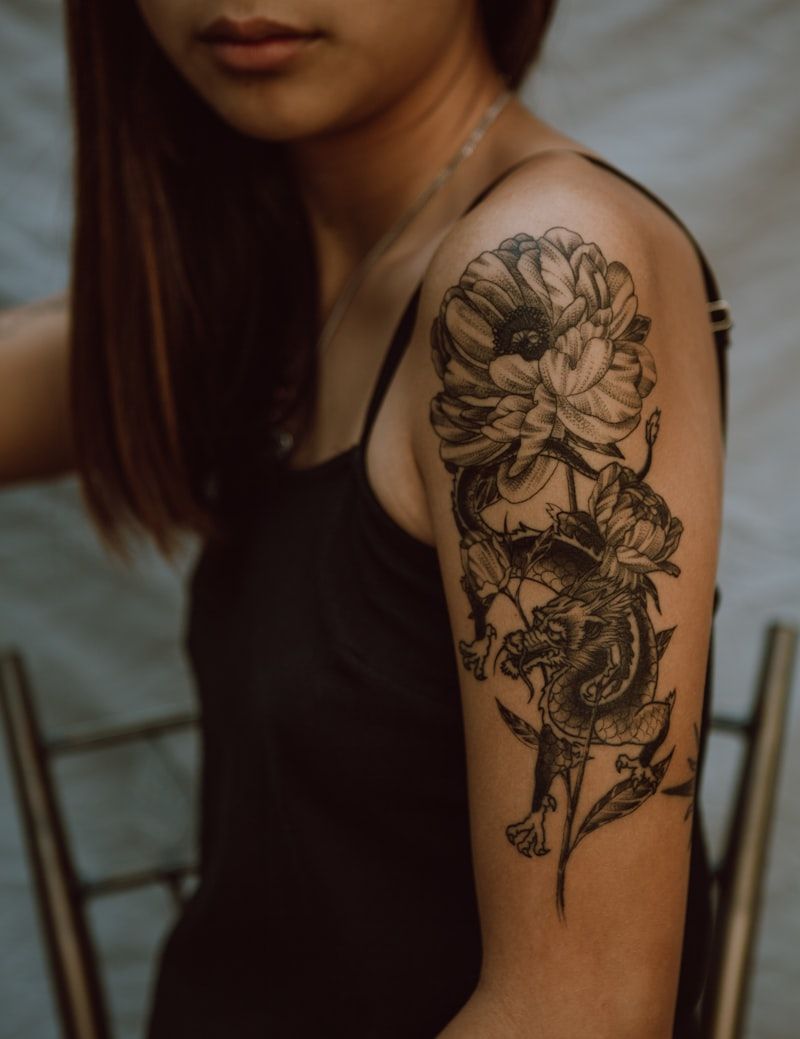
A certificate is only as credible as the assessment that produced it, and this is exactly where prospective students should focus their scrutiny when comparing programs. A school that hands out completion certificates based purely on attendance and course fees paid is producing a different product than one that puts students through a genuine, multi-part evaluation before certifying them ready for independent work.
Why a Single Final Piece Isn't Enough
Some programs still rely on a single capstone tattoo — the student completes one piece on a real client or synthetic skin, an instructor reviews it, and that's the entire assessment. This approach has an obvious weakness: it tests execution on one day, under presumably ideal conditions, and says almost nothing about consistency, problem-solving under pressure, or the non-technical skills that determine whether a graduate can actually run a sustainable practice. Rigorous programs instead break assessment into distinct components evaluated separately.
The Components of a Genuine Final Assessment
A structured final assessment typically evaluates several dimensions independently, rather than folding everything into one overall impression:
- Technical execution across multiple styles or techniques — not just one strong piece, but demonstrated competence across linework, shading, and at least basic color work, since a graduate needs range to handle the variety of requests they'll get from real clients
- Machine setup and troubleshooting — a practical test where a student has to correctly set up a machine, adjust it for different tasks, and identify and fix a deliberately introduced problem (a loose needle, incorrect voltage, poor hygiene setup)
- Sanitation and safety protocol compliance — often evaluated separately from artistic skill entirely, sometimes as a pass/fail checklist covering sterilization procedure, cross-contamination prevention, and proper disposal of sharps and biohazard materials
- Consultation and client communication — frequently assessed through a role-played consultation scenario, evaluating whether a student asks the right questions, sets realistic expectations, and handles a simulated difficult moment (a client changing their mind mid-consultation, for example)
- Design and drawing ability — a separate evaluation of whether a student can produce an original, well-composed design from a client brief, rather than only being able to execute someone else's flash
Supervised Client Work as the Real Test
The most rigorous programs include a supervised client work component as part of final assessment — not practice skin, but real paying or discounted clients, with an instructor present and able to intervene if needed, but otherwise letting the student run the full session from consultation through aftercare instructions. This is a meaningfully different test than practice skin work, because real skin, a real nervous client, and real time pressure surface problems that synthetic practice simply doesn't reveal.
- Some programs require a minimum number of supervised client sessions (commonly somewhere in the range of five to fifteen) before final sign-off
- Instructors typically grade these sessions on a rubric covering technical execution, time management, client interaction, and adherence to safety protocol
- A student who performs well on practice skin but struggles noticeably once a real client is involved is exactly the case this component is designed to catch before certification, not after
Written or Oral Knowledge Components
Beyond hands-on skill, many programs include a knowledge assessment covering material that doesn't show up directly in a finished tattoo but matters enormously for safe, professional practice:
- Bloodborne pathogen awareness and cross-contamination prevention
- Basic skin anatomy and how it varies across body locations and client ages
- Aftercare instruction accuracy — testing whether a student can correctly explain healing timelines and warning signs of infection or allergic reaction
- Local licensing and regulatory requirements relevant to wherever the student intends to work
What This Means for Prospective Students
When evaluating a program, ask directly what the final assessment actually involves, and be specific in your questions: how many components, whether real client work is included, whether sanitation is graded separately from artistic skill, and what happens if a student doesn't pass on the first attempt. A program with a vague or single-dimension answer to these questions is likely producing a weaker, less defensible certification than one that can walk you through a detailed, multi-part evaluation structure.
A genuinely rigorous final assessment isn't designed to weed students out arbitrarily — it exists to protect the graduate's own reputation and the safety of their future clients, by confirming competence across every dimension the job actually requires, not just the one that photographs well for a portfolio.