From Student to Studio Owner: What Comes After Certification
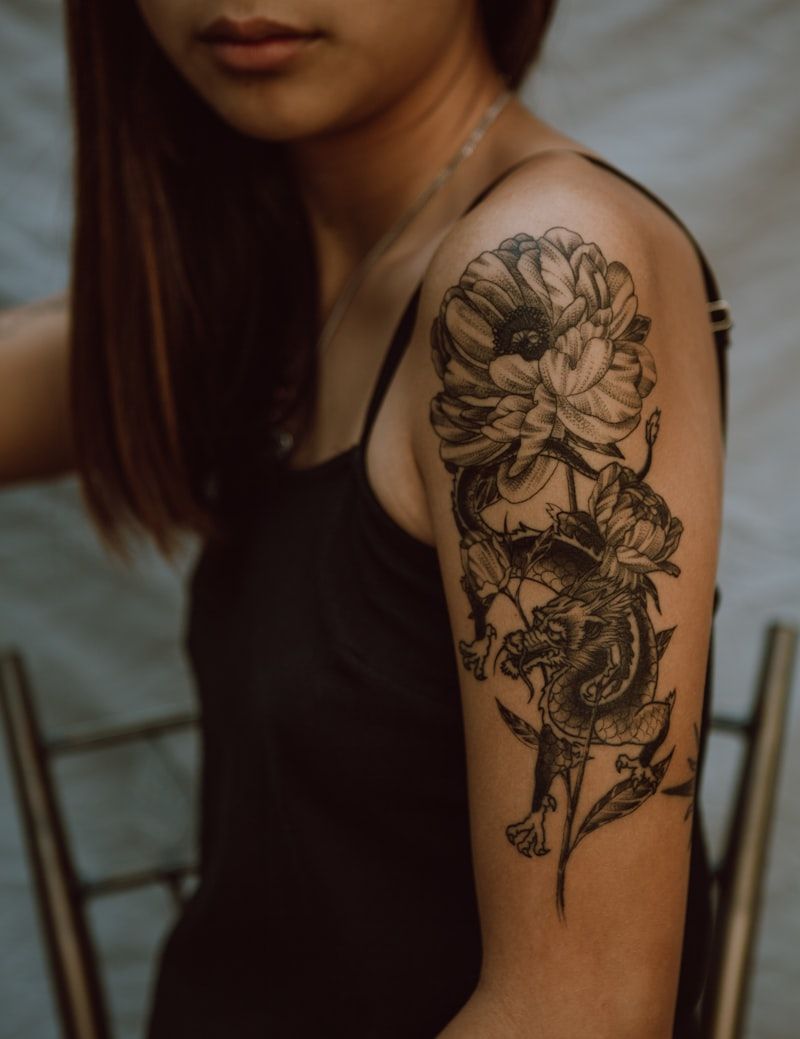
Finishing a tattoo training program feels like crossing a finish line, and in a narrow sense it is — you've hit a defined set of skill benchmarks and someone with authority has signed off on your competence. But almost every experienced studio owner will tell you the same thing: certification is closer to a driver's license than a diploma. It confirms you're ready to be on the road under normal conditions, not that you've mastered every situation you'll encounter.
The Guest Spot and Junior Chair Phase
Very few graduates go straight from finishing training to running their own book independently, let alone owning a studio. The realistic next step is usually one of two paths:
- Joining an established studio as a junior artist, working under a supervising senior artist or owner, often on a percentage or chair-rental arrangement, while building a portfolio with real paying clients
- Guest spotting at multiple studios, which exposes a new artist to different working cultures, client bases, and studio management styles before committing to one place long-term
Both paths matter for a reason beyond just earning money: they expose new artists to studio operations they never saw as students — appointment scheduling, deposit policies, dealing with walk-ins, managing a supply budget, and the unglamorous administrative rhythm of running a tattoo business day to day.
Building a Portfolio That Actually Attracts Clients
A student portfolio built on practice skin and supervised sessions looks very different from the portfolio that needs to exist to attract paying clients independently. New artists should treat their first year post-certification as a deliberate portfolio-building phase:
- Prioritize a consistent style thread across posted work, since a portfolio that jumps between five unrelated styles signals inexperience rather than versatility to potential clients
- Photograph work properly — good lighting and healed shots matter more for attracting clients than session-day photos taken under studio lighting with fresh redness
- Track which pieces generate the most inquiries and lean into that direction, at least until a personal reputation is established enough to expand into other styles
The Business Skills Nobody Taught You
Technical certification rarely covers running a business, and this is where a lot of talented artists stall out. Before even considering studio ownership, a new artist benefits enormously from understanding:
- Basic bookkeeping — tracking income, supply costs, and setting aside money for taxes, which varies significantly depending on the country of operation
- Licensing and health regulations for tattoo studios, which differ by country and sometimes by region within a country
- Supply chain management — sourcing reliable ink, needles, and equipment suppliers rather than relying on whatever a training studio provided
- Basic marketing — building a consistent online presence, since most new client discovery today happens through social media and search rather than walk-in traffic alone
When Studio Ownership Actually Makes Sense
Owning a studio is a fundamentally different job from being a talented tattooer, and jumping into it too early — before building a stable client base or understanding the business fundamentals above — is one of the most common causes of studio failures within the first two years. Signs that ownership might be the right next step include:
- A client base large enough and loyal enough to provide predictable income independent of a single studio's foot traffic
- Enough saved capital to cover several months of operating costs before the studio becomes reliably profitable
- Genuine interest in the management side of the job — hiring, scheduling, compliance, marketing — not just a desire to avoid paying chair rent elsewhere
- A realistic read on the local market: how many studios already operate nearby, what price points the area supports, and whether there's room for another shop
A Realistic Timeline
There's no fixed rule, but a common and sustainable trajectory looks like:
- Year 1 post-certification: junior or guest artist role, active portfolio building, absorbing studio operations
- Years 2–3: established independent client base, possibly moving studios once or twice to find the right long-term fit
- Years 3–5: if ownership is genuinely the goal, this is a realistic window to open a first studio, ideally with a partner or mentor relationship still in place for the early operational learning curve
Certification opens the door. What happens after is a slower, more deliberate build — one measured in client relationships, business literacy, and studio culture as much as in tattooing skill itself.