Building Speed Without Sacrificing Line Quality
Published: October 2, 2023•By: Marcus Thorne•Reading Time: 4 min read
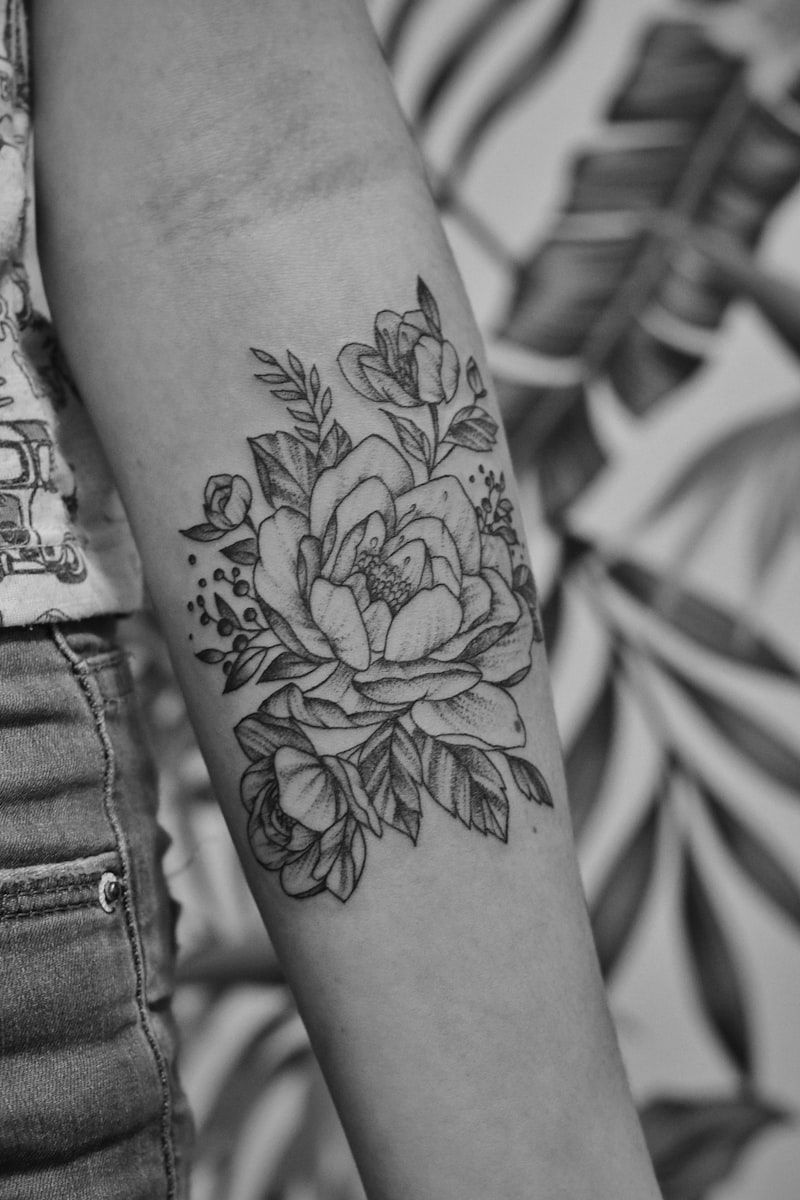
Chasing speed too early ruins line quality, but working too slowly causes its own problems. Here is how deliberate practice builds real speed without cutting corners.
The Wrong Way to Get Faster A surprising number of new students try to build speed by simply tattooing faster, moving the machine more quickly across skin and hoping technique catches up later. This almost never works. Speed built this way tends to produce shaky, inconsistent lines that then require slower, more careful correction, which erases whatever time was supposedly saved. Real speed in tattooing is not a separate skill bolted onto slow, careful technique. It is what careful technique looks like once it has been repeated enough times that hesitation disappears.
Why Slowness Is a Feature, Not a Failure, Early On Most instructors deliberately keep new students slow for longer than feels comfortable, and for good reason. Working deliberately at reduced speed:
- Builds accurate muscle memory rather than reinforcing a rushed motion that will be harder to unlearn later.
- Gives the student time to actually see the line they are making, adjusting pressure and angle in response to what the skin is doing, rather than trusting the motion blindly.
- Reduces skin trauma from repeated correction passes, since a slow, accurate line the first time is gentler on the client than a fast, wrong line that then needs fixing.
- Allows the instructor to catch and correct bad habits while they are still small, before they become the default way a student holds the machine.
What Actually Builds Speed Speed develops as a byproduct of specific, repeated practice, not general effort. A few approaches that reliably work.
- Repetition drills on a single element. Practicing the same straight line, curve, or circle hundreds of times on synthetic skin builds the specific motor pattern needed for that shape, so it eventually requires no conscious thought.
- Timed practice sessions, introduced gradually. Once a shape is consistently clean at a comfortable pace, timing a set of repetitions and slowly reducing the target time forces incremental speed gains without sacrificing the accuracy already built.
- Full-piece run-throughs on practice skin, tattooing an entire small design start to finish under realistic conditions, since real speed gains show up differently across a full session than in isolated drills.
- Video review of your own hand. Recording practice sessions and watching them back reveals hesitation points, places where the hand pauses or wavers, that are hard to notice while actually tattooing.
The Physical Habits That Slow Students Down Without Them Realizing A lot of unnecessary slowness comes from physical tension rather than a lack of skill.
- Gripping the machine too tightly, which restricts natural wrist movement and forces the whole arm to compensate with larger, slower motions.
- Poor body and chair positioning, forcing awkward reaches that slow down transitions between sections of a design.
- Overchecking work mid-line, stopping frequently to inspect a line that is already going well, which breaks rhythm and adds time without adding quality.
- Tensed shoulders and shallow breathing, both common in nervous beginners, which reduce fine motor control and paradoxically make careful work slower and less steady.
A Practical Framework for Progression A reasonable way to think about the speed-versus-quality tradeoff over a training program:
- Early stage: Prioritize accuracy at any speed. Do not time yourself. Focus entirely on clean, consistent lines.
- Middle stage: Once accuracy is consistent, begin light timing on isolated drills, always at a pace where quality does not drop. If speed increases and quality drops, slow back down immediately rather than pushing through.
- Later stage: Practice full pieces under realistic time constraints, simulating an actual session, while still allowing yourself to slow down deliberately on the hardest sections of a design.
A reliable signal that a student is ready to build speed intentionally is consistency, not confidence. If the same shape or line comes out clean nineteen times out of twenty at a slow pace, the twentieth attempt at a slightly faster pace is a reasonable next step. If quality is still inconsistent at slow speed, adding speed will only make the inconsistency more visible and more permanent. Speed is the reward for accuracy, not a shortcut to it, and students who respect that order tend to become the artists whose work looks effortless precisely because so much slow, deliberate practice happened before anyone was watching.