Aftercare Products Studios Should Recommend to Clients
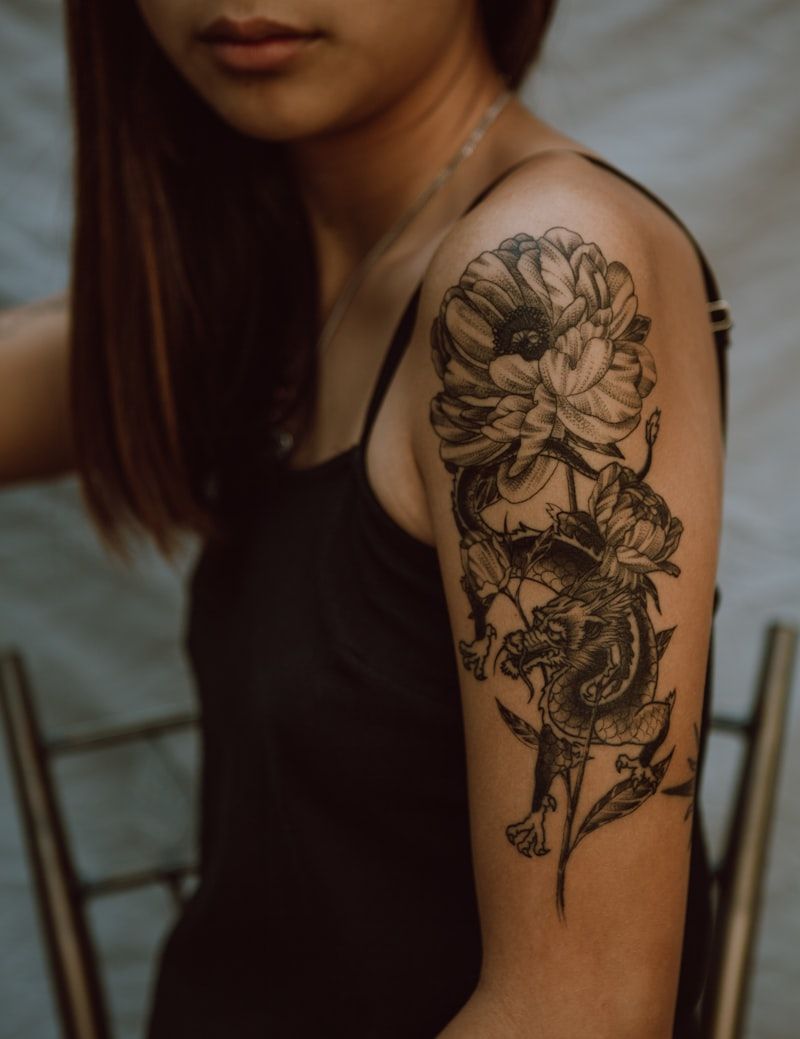
Aftercare Is Where Reputations Are Actually Made
A finished tattoo isn't actually finished the moment the artist wipes it down and applies the final bandage, it's finished weeks later, once the skin has fully healed, and how well that healing goes has an enormous amount to do with what the client does at home. Studios that take aftercare recommendations seriously tend to see fewer complications, fewer touch-up requests caused by poor healing, and better long-term client relationships. It's one of the few parts of the tattoo process that continues entirely outside the studio's direct control, which makes clear product guidance especially important.
What to Look for in a Cleanser
The first product a client needs after leaving the chair is a gentle, appropriate cleanser to keep the area free of bacteria without disrupting the healing skin.
- Fragrance-free formulations reduce the risk of irritation on skin that's already inflamed from the tattooing process
- A mild, low-pH cleanser is generally gentler than standard bar soap, which can be overly drying or harsh on fresh tattoos
- Simple ingredient lists are usually preferable to complex formulas with multiple active ingredients that haven't been tested specifically for use on fresh tattoo work
- Studios should be able to explain why they recommend a specific cleanser, not just hand over a product name, since clients are more likely to actually follow guidance they understand
Moisturizers and Healing Balms: Simpler Is Usually Better
Once the initial cleaning stage passes, clients need a way to keep the healing tattoo appropriately moisturized without overdoing it. This is one area where more expensive or more heavily marketed doesn't necessarily mean better.
- Thin, breathable moisturizers tend to outperform thick, heavy balms during the early healing period, since overly occlusive products can trap moisture and bacteria against healing skin.
- Unscented formulas remain the safer default recommendation, for the same irritation reasons that apply to cleansers.
- Products formulated specifically for tattoo aftercare are generally preferable to generic body lotion, since aftercare-specific products are designed with the healing skin barrier in mind rather than general skin hydration.
- Petroleum-based ointments, while historically common, are increasingly used more sparingly and only in the earliest hours after a session, since prolonged heavy use can interfere with proper healing for many skin types.
Products Worth Steering Clients Away From
Part of good aftercare guidance is being just as clear about what not to use as what to use.
- Products containing alcohol, which can dry and irritate healing skin unnecessarily
- Heavily fragranced lotions, regardless of how appealing they are for everyday use elsewhere on the body
- Petroleum-heavy products used for the entire healing period, rather than just the initial short window many studios recommend
- Sunscreen applied directly to unhealed skin, while sun protection matters enormously for tattoos long-term, it should generally wait until the skin has fully healed, with clients advised to protect the area with clothing in the meantime
- Any product a client already knows irritates their skin elsewhere on their body, even if it's marketed specifically for tattoo aftercare
Making Recommendations Part of the Standard Process
The studios that get the best healing outcomes don't treat aftercare advice as an afterthought mentioned briefly while a client is putting their shoes back on. They build it into the standard process, a printed or digital aftercare sheet, a specific product recommendation with a brief explanation of why, and a clear description of what normal healing looks like versus what warrants a follow-up call. For a training program, teaching students to deliver this information clearly and confidently is just as much a professional skill as machine control, since a client who heals well and understands why is a client who returns, refers others, and remembers the studio as a genuinely professional one.
It's also worth training students to recognize the difference between normal healing and something that needs professional attention, since clients often can't tell the difference themselves and will ask. Redness, mild swelling, and light scabbing in the first several days are typically expected; spreading redness, unusual warmth, or discharge beyond what's normal for the individual's healing pattern are signs that warrant a conversation about seeing a medical professional, not just more aftercare product. Teaching this distinction clearly protects clients and also protects the studio's reputation, since an artist who can speak confidently and accurately about healing signals comes across as far more trustworthy than one who simply repeats a generic script.
Studios should also stay open to adjusting their standard recommendations as products and client feedback evolve. What worked well for aftercare guidance several years ago isn't necessarily still the best available option, and a studio that periodically reviews its recommended product list, rather than defaulting to whatever was chosen when the studio first opened, tends to serve clients better over time. Building a habit of asking clients how a recommended product actually worked for them, and adjusting based on that feedback, keeps a studio's aftercare guidance genuinely useful rather than just traditional.